Designing Compliant AI for Financial Transactions (USDC & BTC)
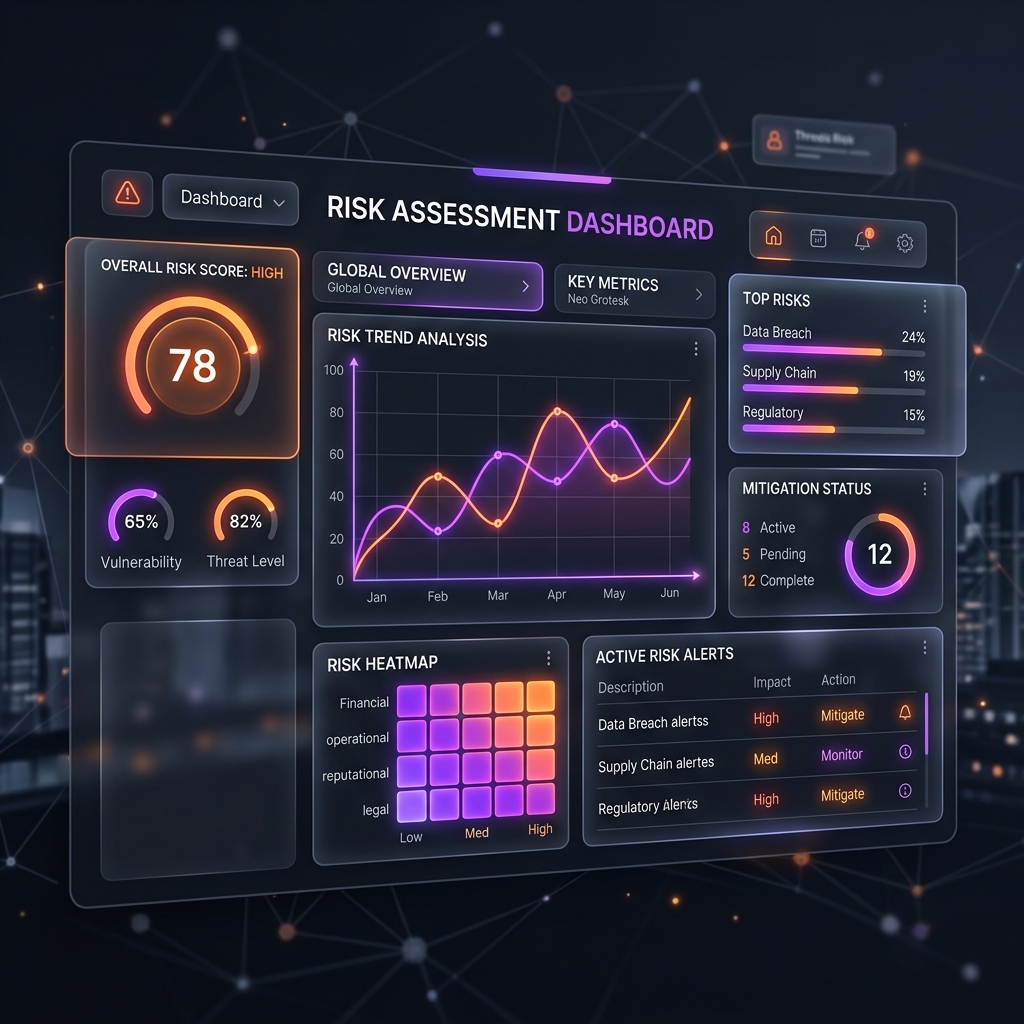
When agents trade or handle digital assets, verifying asset types and limits is essential. We check asset whitelists.
Validating Asset Types and Intent Values
If an autonomous agent is authorized to trade, malicious prompts can trick it into buying unapproved high-risk tokens. ATL-Trust enforces a rigid asset whitelist and transaction limits at compile time, reducing financial risks.
Our manifest rules define permitted assets (e.g. USDC, BTC, ETH) and max limits. If an agent tries to transfer an unapproved asset, the validator blocks the action at the gateway, preventing loss.
// Manifest limits initialization
let manifest = TrustManifest {
    max_tx_value: 5000.0,
    allowed_assets: vec!["USDC".to_string(), "ETH".to_string(), "BTC".to_string()],
    circuit_breaker_threshold: 10000.0,
};
Configuring the Trust Manifest
The manifest restricts transactions to verified stablecoins like USDC or majors like BTC and ETH, rejecting unauthorized asset classes. This configuration is stored in memory and updated securely.
By verifying financial intents against static limits outside the LLM reasoning loop, we prevent prompt injection attacks from draining wallets or triggering unauthorized trades.
- Prevents agent exposure to high-risk token contracts.
- Enforces strict transaction limits globally across routing systems.
- Logs validation failures for immediate financial auditing.
Enterprise M&A Inquiry
For technical due diligence or architectural deep-dives into our zero-trust framework, please request access to our tech specs and roadmap.
Request Tech Specs