Handling Non-Deterministic Intent Parsing in Agent Workflows
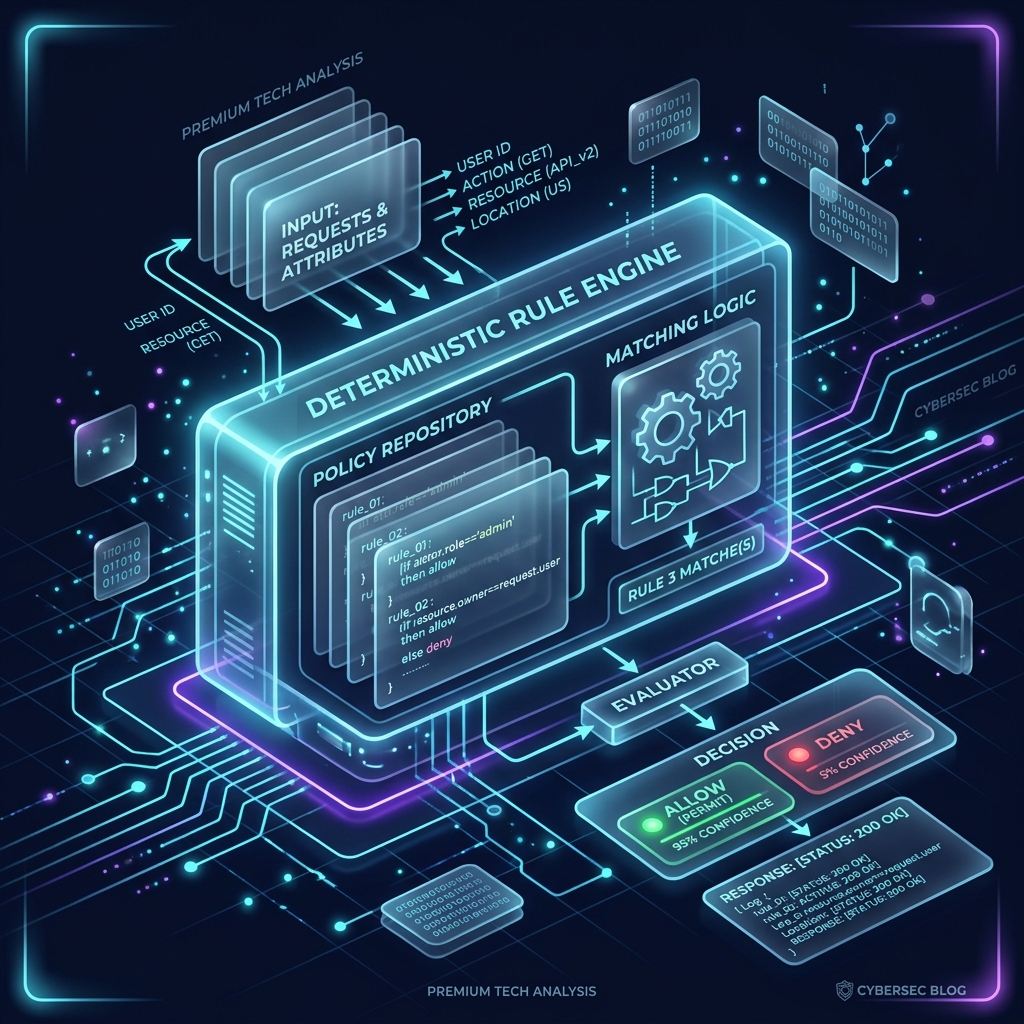
Generative AI introduces non-deterministic outputs. Discover how ATL-Trust wraps probabilistic actions inside deterministic checks.
Securing Systems from Erratic Model Logic
Traditional system integration expects rigid responses. Autonomous agents change this, outputting varied formats. ATL-Trust sits as a gateway, transforming the agent's natural intent into a verified schema, shielding backend databases.
We wrap the agent's output inside a type-safe Rust validator. This checks the action and asset parameters against the ruleset before forwarding the command, preventing parsing anomalies from triggering failures.
// Testing compliance inside the intent loop
match Validator::check_compliance(&intent, &app_state.manifest) {
    Ok(_) => { /* Intent is approved: execute */ }
    Err(e) => { /* Compliance failure: log and block */ }
}
Deterministic Validation Checks
By testing the output against limits and allowed assets, the validation layer ensures that even if an agent's phrasing varies, the downstream transaction remains safe. This decouples core business logic from model changes.
The validation process executes in microseconds, providing a zero-latency compliance gate that ensures system outcomes remain predictable regardless of model shifts.
- Decouples core business logic from agent model changes.
- Ensures 100% predictable outcomes for database writes.
- Protects system stability from parsing errors and exceptions.
Enterprise M&A Inquiry
For technical due diligence or architectural deep-dives into our zero-trust framework, please request access to our tech specs and roadmap.
Request Tech Specs