Ledger Replication and Consensus in Distributed Audit Logs
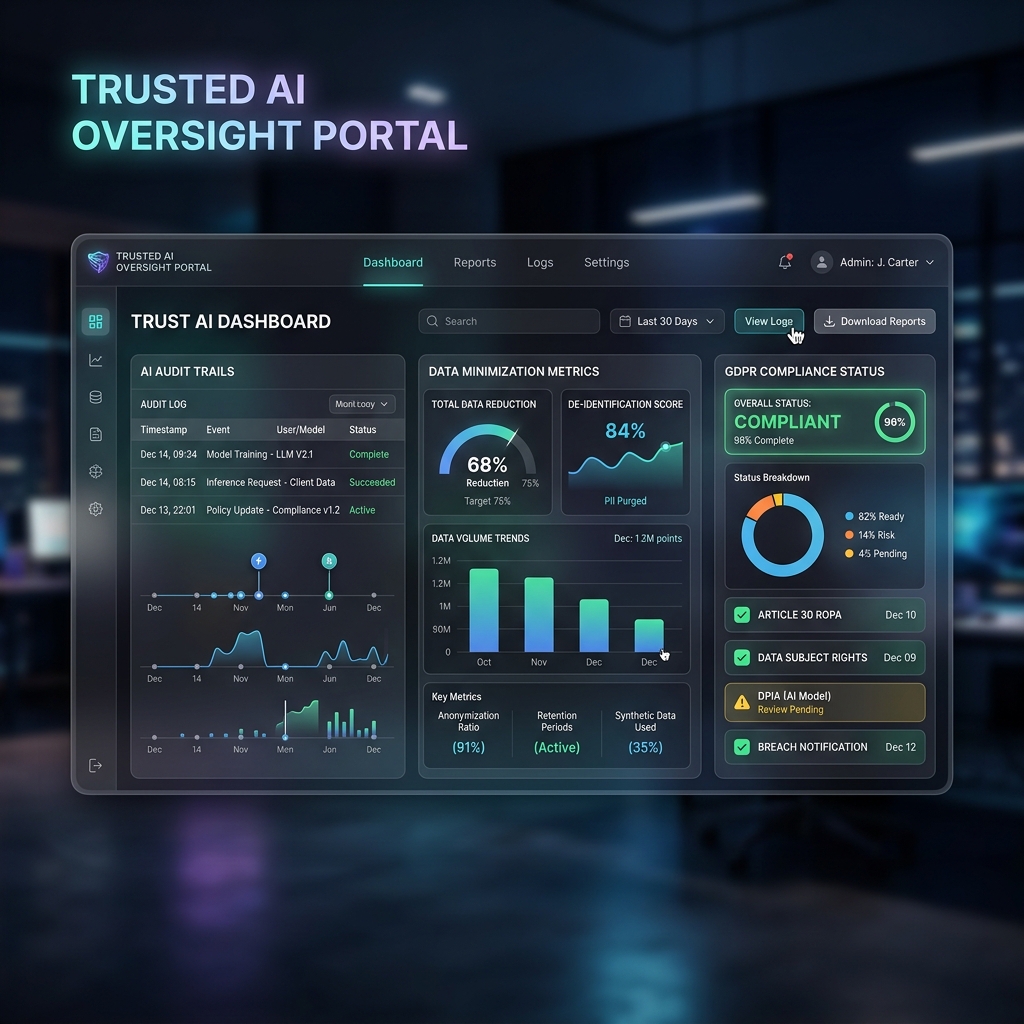
In multi-cloud deployments, validator nodes must agree on approved transactions. We analyze block replication and audit integrity.
Synchronizing Audit Blocks Across Multi-Cloud Nodes
If one node goes offline, other servers must continue validating agent requests. ATL-Trust uses replicated JSON block ledgers to record outcomes, checking chain integrity and block indexes synchronously on state changes, preventing split-brain states.
We implement a consensus protocol that replicates ledger entries across cloud zones in real-time. Each node verifies the integrity of the incoming block before appending it, ensuring history cannot be altered.
// Appending action block and saving file state
pub fn append_action(&mut self, action: String, asset: String, value: f64, outcome: String) -> Result {
    let last_block = self.blocks.last().ok_or("Ledger lacks Genesis")?;
    let index = last_block.index + 1;
    // Chaining hashes...
    self.save_to_file()
}
Appending Replicated Actions
When a node validates an intent, it appends the transaction block locally and broadcasts the block hash. Other nodes verify the preceding hash links before appending, preventing fork drift and keeping logs consistent.
This replicated architecture guarantees high availability for the validation gateway, protecting enterprise agent networks from individual node failures or regional outages.
- Prevents malicious history rewriting on individual host machines.
- Maintains high-availability validation loops across cloud zones.
- Automates recovery of ledger files using block checks.
Enterprise M&A Inquiry
For technical due diligence or architectural deep-dives into our zero-trust framework, please request access to our tech specs and roadmap.
Request Tech Specs