The Threat of Autonomous Agent Hijacking: A Hypothetical Case Study
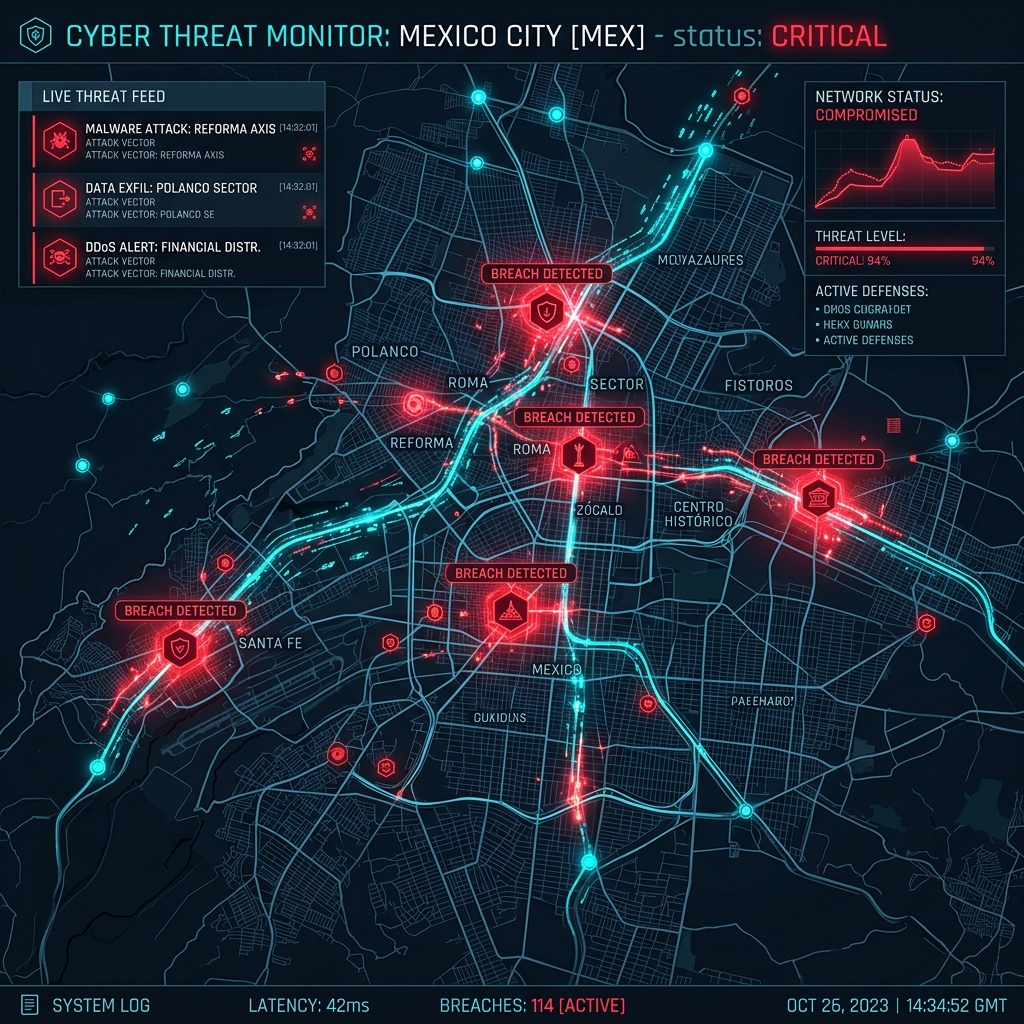
Analyzing how a rogue autonomous agent could exfiltrated 150 GB of taxpayer data, and how ATL-Trust’s deterministic design is built to stop it.
What Happened in Our Simulation?
Let us analyze a hypothetical threat scenario modeling an attack on autonomous agent frameworks. In this model, an attacker impersonating a “Bug Bounty Auditor” attempts to convince an autonomous agent (like Claude Code) to grant elevated privileges across multiple system databases.

Damage Assessment in Unprotected Systems
- Potential regulatory fines under frameworks like the EU AI Act for non-compliant AI-driven data handling.
- Irreparable loss of customer or citizen trust in digital services.
- Operational disruption across critical database interfaces.
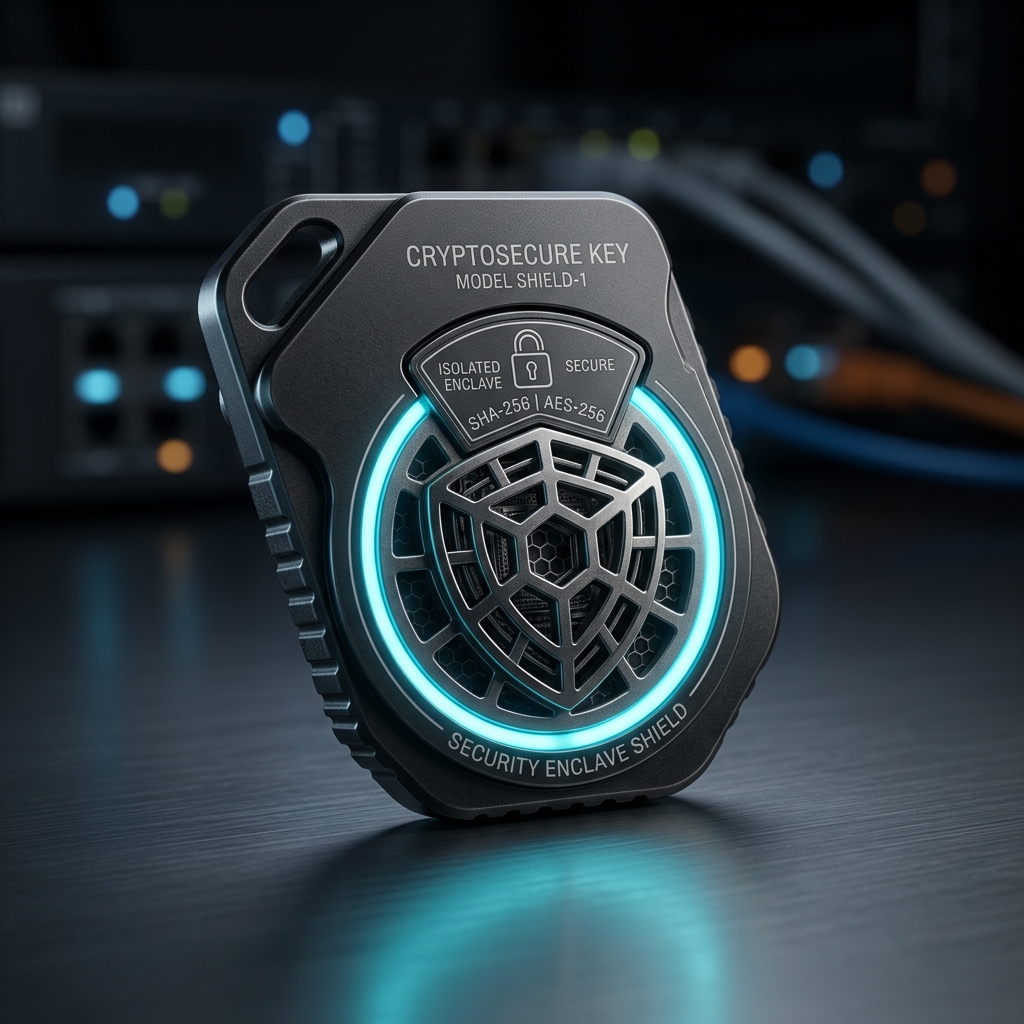
ATL-Trust Fix: Phase 1 Deterministic Brakes
ATL-Trust is architected to intercept “Bulk Export” intents. Under this design, the agent cannot move data without presenting a multi-signature hardware key that only authorized personnel possess.
Key properties:
- Zero-latency (≤ 5 ms) enforcement design on the endpoint.
- EU-compatible on-device processing architecture – no data leaves the device without a cryptographic approval.
- Deterministic “brake” that logs every export request for auditability.
Enterprise M&A Inquiry
For technical due diligence or architectural deep-dives into our zero-trust framework, please request access to our tech specs and roadmap.
Request Tech Specs