Securing Autonomous watchOS Workflows on Mobile Clients
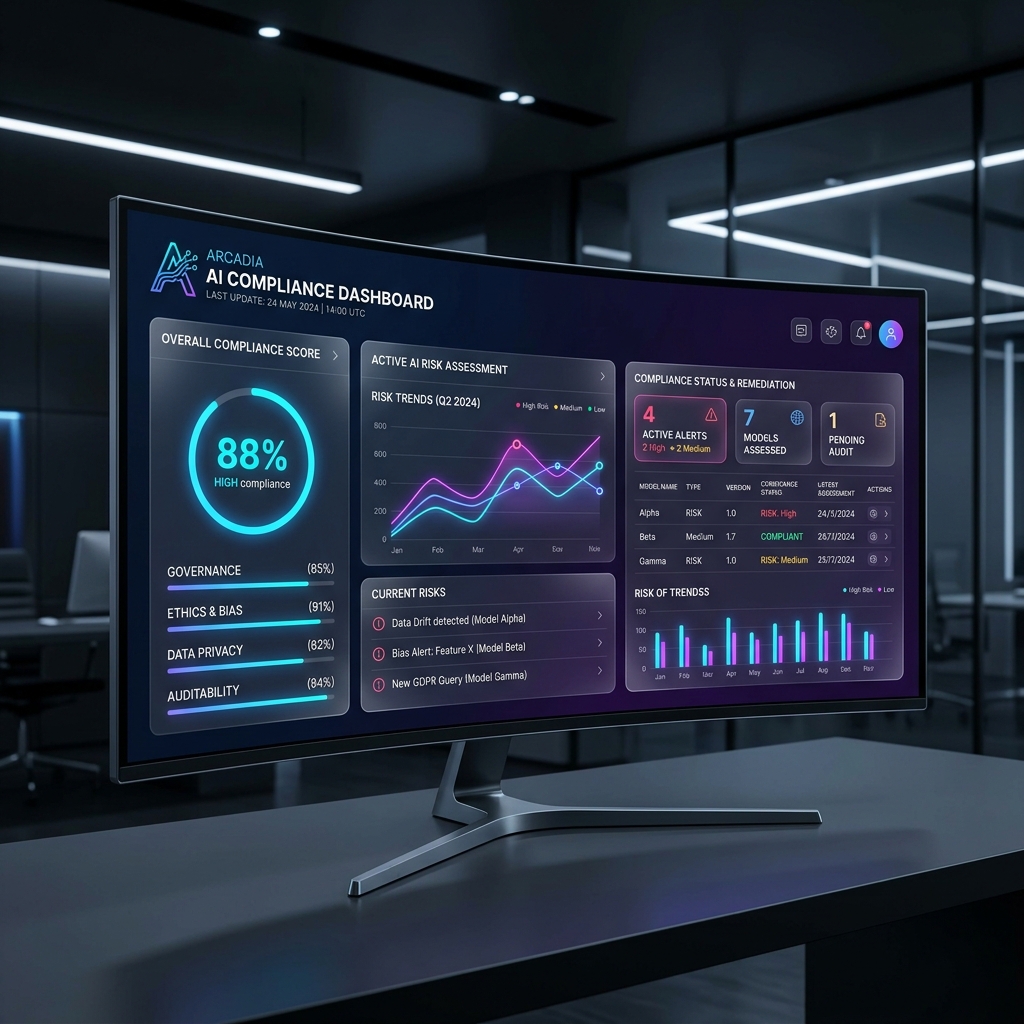
Mobile and watchOS clients require lightweight attestation wrappers. Learn how ATL-Trust secures Apple Watch agent transactions.
Designing Light Attestation Layers for watchOS
Wearable devices often trigger high-impact autonomous actions like unlocking doors or transferring funds. Securing these watchOS agents demands a small code footprint. The validator client signs transactions with local cryptographic enclaves before forwarding to the validation node, protecting key storage.
We design client attestation to run efficiently on low-power devices. The watchOS app signs the transaction intent and sends it to the ATL-Trust node, which performs the heavy signature checks.
// watchOS client signature attestation stub
func attestationSignature(for intent: AgentIntent) -> String {
    let payload = "\(intent.action)|\(intent.value)"
    return LocalKeyChain.sign(payload)
}
Ensuring Zero-Latency Validation on Edge Hardware
By delegating heavy attestation verification to the ATL-Trust node, the watchOS client only needs to produce a semantic signature, maintaining battery life and zero-latency authorization loops. This keeps mobile operations secure and responsive.
The local Secure Enclave on the Apple Watch stores the private keys, ensuring that even if the mobile application is compromised, the keys remain inaccessible to attackers.
- Minimizes watchOS background thread overhead.
- Secures device tokens within local Apple Secure Enclaves.
- Maintains a persistent offline audit ledger block until synced.
Enterprise M&A Inquiry
For technical due diligence or architectural deep-dives into our zero-trust framework, please request access to our tech specs and roadmap.
Request Tech Specs