Zero-Trust State Machines for Multi-Agent LLM Orchestrators
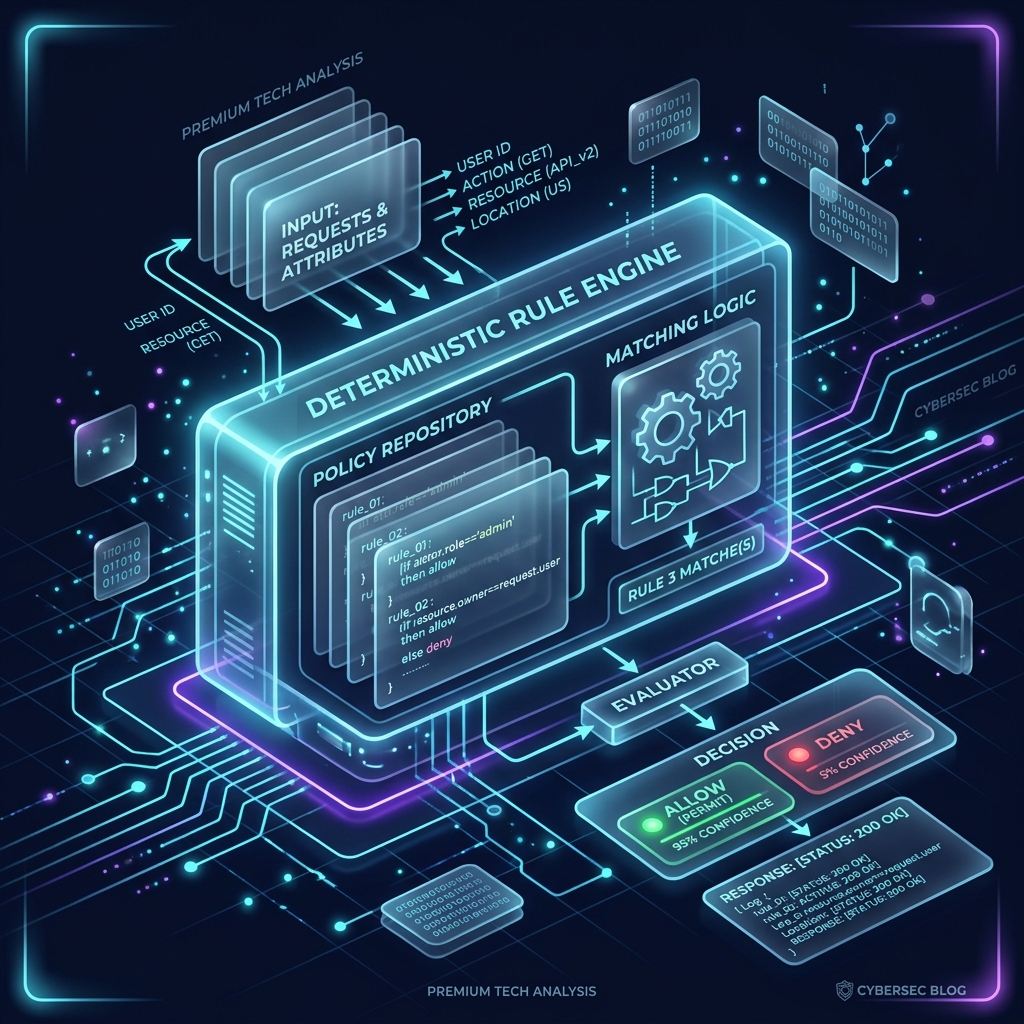
Orchestrating multi-agent systems requires enforcing state transition rules. Learn how to build zero-trust state machines in Rust.
Enforcing State Transition Controls Across Agent Chains
In complex orchestrations (e.g. LangChain, AutoGen, or custom swarms), Agent A calls Agent B, which calls Agent C. If Agent B is compromised, it may trigger unauthorized state transitions in Agent C.
ATL-Trust models agent interactions as a zero-trust state machine. Each state transition requires presenting a cryptographically signed state token that proves the caller has permission to transition the workflow.
// State machine transition validation
pub fn validate_transition(current: State, next: State) -> Result<(), StateError> {
    match (current, next) {
        (State::Draft, State::Reviewed) => Ok(()),
        (State::Reviewed, State::Executed) => Ok(()),
        _ => Err(StateError::InvalidTransition),
    }
}
Preventing Cascade Failures in Swarm Workflows
If an invalid state transition is attempted, the gateway rejects the call immediately, isolating the compromised agent and preventing cascade failures across the swarm.
This state machine architecture ensures that multi-agent systems remain bounded regardless of individual agent hallucinations.
- Enforces strict state transition rules across multi-agent chains.
- Prevents compromised agents from jumping workflow stages.
- Isolates failures to individual swarm nodes.
Enterprise M&A Inquiry
For technical due diligence or architectural deep-dives into our zero-trust framework, please request access to our tech specs and roadmap.
Request Tech Specs